Introduction
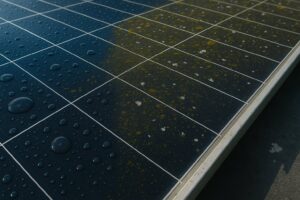
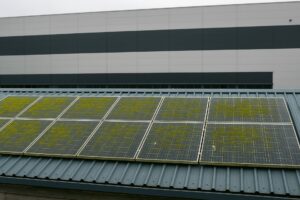
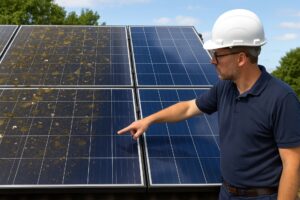
Lichen is one of the most stubborn and damaging contaminants found on solar panels in the UK. Caused by a symbiotic growth of algae and fungus, lichen forms hard, crusty patches that bond tightly to the panel surface — often surviving through all seasons.
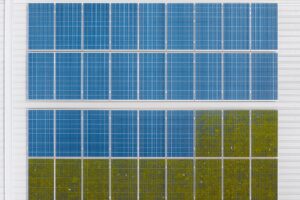
In the UK’s damp, mild climate, lichen thrives on rooftops, especially where panels are shaded or surrounded by trees. While it might look harmless, these small, pale-green or white spots can cause serious performance loss by blocking sunlight, permanently etching glass coatings, and creating hot spots.
This guide explains how to remove lichen safely and effectively using Chemitek solar cleaning solutions and RotaQLEEN motorised brush systems — two of the most advanced tools available through Solar Clean Robotics UK. Whether you’re maintaining a small residential array or an extensive solar farm, following these methods will restore efficiency while protecting your investment.
Why Lichen Is a Serious Problem for Solar Panels
How Lichen Affects Solar Efficiency
Lichen acts like a natural glue, adhering to the microscopic texture of solar glass. Unlike dust or pollen that rinse away easily, lichen forms a semi-permanent crust that blocks light transmission and disrupts surface coatings. Studies show that panels heavily affected by lichen can lose 15–25% of their output, even after rain.
If left untreated, lichen can gradually etch the anti-reflective coating, causing permanent optical distortion that reduces efficiency even after cleaning.
The UK Climate Challenge
The UK’s humid climate and long wet seasons create ideal conditions for biological growth. Lichen spores settle easily on the cool, shaded surfaces of solar panels — especially on north-facing or low-tilt arrays.
Rural areas and coastal regions are particularly vulnerable, where salt, organic debris, and pollution combine to accelerate colonisation. Early detection and seasonal cleaning are key to preventing long-term damage.
Safe and Effective Lichen Removal Methods
Step 1 – Assess the Surface and Growth Type
Before cleaning, determine what you’re dealing with:
-
Lichen: Pale green, white, or grey crusts that bond strongly to glass.
-
Moss: Thicker, spongy growth often found along panel edges.
-
Algae or biofilm: Green or brown film-like residue.
A visual inspection helps choose the right approach. Avoid scraping or brushing dry panels — always use water and the correct cleaning agent to soften growth first.
Step 2 – Apply Chemitek Lichen Removal Agent (LIC-CN)
Chemitek LIC-CN is a professional-grade, biodegradable solution designed specifically to remove lichen from solar panels without harming coatings, seals, or frames.
How it works:
The formula breaks the molecular bond between the lichen and the glass, allowing it to be lifted away gently during the rinse stage.
Application steps:
-
Mix according to Chemitek’s dilution guide (typically 1:4 or as advised).
-
Apply evenly using a QLEEN telescopic spray system or soft applicator.
-
Leave the solution to dwell for 10–20 minutes (do not allow to dry).
-
Proceed with mechanical agitation using a RotaQLEEN brush or equivalent system.
Chemitek products are fully solar-safe, non-corrosive, and eco-friendly, making them ideal for both residential and commercial cleaning.
Step 3 – Agitate with RotaQLEEN Motorised Brushes
After pre-treatment, the softened lichen can be gently removed using a RotaQLEEN system — a German-engineered motorised brush specifically designed for solar and façade cleaning.
The rotating head ensures:
-
Consistent pressure across the surface.
-
Even distribution of pure water during cleaning.
-
Minimal risk of abrasion or micro-scratching.
Choose soft nylon or solar-rated brushes. For stubborn lichen, using hot pure water (up to 60°C) enhances cleaning performance by softening remaining organic matter.
This method is not only safe but highly efficient for ground-mounted and rooftop installations.
Step 4 – Rinse Thoroughly with Pure Water
Always finish with a pure water rinse using QLEEN or HydroPower filtration systems.
Pure water (0–10 ppm TDS) ensures no mineral residue is left behind, resulting in a streak-free, anti-static finish.
Hard water or tap water should be avoided as it can cause spots, streaks, and mineral scaling on glass surfaces.
Recommended Tools and Equipment
QLEEN and RotaQLEEN Systems
QLEEN systems are modular, telescopic cleaning setups ideal for professional contractors and facility maintenance teams. They include:
-
RotaQLEEN motorised brushes for efficient cleaning.
-
Q-Power and HydroPower filtration units to produce ultra-pure water.
-
Lightweight carbon poles that extend safely to roof-mounted panels.
These systems allow cleaning heights up to 20 metres from the ground, improving both safety and productivity.
Chemitek Solar Chemicals
Solar Clean Robotics UK supplies the full Chemitek range, including:
-
LIC-CN (Lichen Removal Agent) — dissolves organic buildup.
-
SOL-CLEAN — removes dirt, dust, and general grime.
-
ANTISTATIC-SOLAR — provides a temporary anti-static layer to reduce future contamination.
Each product is tested and approved by major solar panel manufacturers, ensuring compatibility with all coatings and surfaces.
Protective Accessories and Scrapers
For isolated lichen spots, a plastic solar scraper can be used to lift softened deposits — never metal tools.
Always wear PPE such as gloves, safety glasses, and non-slip footwear.
Proper site setup, including fall protection and water control, ensures compliance with UK health and safety standards.
Preventing Lichen Regrowth
Routine Maintenance
Regular cleaning is the simplest prevention strategy.
In the UK, we recommend:
-
Twice-yearly cleaning — once in spring, once in autumn.
-
More frequent cleaning for rural or coastal sites.
Applying Chemitek ANTISTATIC-SOLAR after cleaning helps repel dust and spores, delaying regrowth and improving hydrophobic performance.
Environmental Management
Lichen thrives where conditions are damp and shaded. To limit regrowth:
-
Trim back trees or foliage that cast shade.
-
Ensure gutters and drainage prevent pooling water.
-
Clean bird droppings or organic debris promptly.
Monitoring Efficiency
After cleaning, use your solar monitoring software to track performance gains.
A clean array will show immediate improvement in voltage and output, confirming the benefit of professional maintenance.
Professional vs DIY Cleaning
Risks of DIY Cleaning
While it may seem straightforward, lichen removal is one of the most difficult solar maintenance tasks. Common DIY mistakes include:
-
Using metal scrapers that scratch the glass surface.
-
Applying household detergents or acids that damage coatings.
-
Failing to remove chemical residues, leading to streaking or corrosion.
-
Climbing onto roofs without the proper safety setup.
These mistakes can void warranties and permanently reduce performance.
Benefits of Hiring Professionals
Professional solar cleaning contractors use:
-
RotaQLEEN motorised systems for consistent cleaning.
-
Chemitek-approved chemicals for solar-safe treatment.
-
Pure water filtration for a spotless finish.
-
Proper access equipment and safety certification.
Working with Solar Clean Robotics UK or one of our approved partners guarantees your panels are cleaned to manufacturer standards using certified equipment and solutions.
Conclusion
Lichen might look minor, but it can cause lasting harm to solar panels if ignored. By combining Chemitek’s professional cleaning chemistry with RotaQLEEN mechanical brushing and pure water systems, you can safely restore solar performance without damaging coatings or seals.
At Solar Clean Robotics UK, we supply the full range of QLEEN cleaning equipment, RotaQLEEN systems, and Chemitek solar chemicals to professionals and facility managers across the UK and Ireland.
For expert advice, demonstrations, or to purchase equipment, visit our website or contact our technical team today.
Clean panels mean maximum efficiency and long-term reliability — and that starts with using the right tools for the job.
Frequently Asked Questions
How often should I clean my solar panels in the UK?
Ideally every 6 months, or more frequently if you live near trees, farms, or the coast. Regular cleaning prevents lichen from establishing a foothold.
Is Chemitek safe for all panel types?
Yes — Chemitek products are solar-certified and safe for use on glass, aluminium, and polymer coatings.
Can I use tap water for rinsing?
No. Always use pure water (below 10 ppm TDS) to avoid leaving mineral spots that can damage glass coatings.
What’s the difference between moss and lichen?
Moss is a soft, spongy plant that grows along edges, while lichen is a hard, crusty organism that bonds directly to glass. Lichen requires chemical treatment for safe removal.
Can lichen damage the anti-reflective coating?
Yes — if left untreated, lichen can permanently etch coatings and reduce panel transparency, causing long-term performance loss.